


How Villas Support Work-From-Home Lifestyles Better Than Any Other Property Type
Work-from-home once felt like a short experiment. A laptop on the dining table. Calls are squeezed in between everyday chores. But that phase didn’t stay small for long. For many professionals, remote work has settled in for good. And as routines became permanent, one thing stood out fast. Not every home is built for this shift, especially when spaces haven’t been planned with work in mind during a home renovation or initial design.
This blog takes a closer look at why villas quietly outperform every other property type when it comes to supporting long-term work-from-home living, without turning homes into offices or offices into homes.
Space That Lets Work and Life Breathe
In apartments, boundaries blur fast. Bedrooms turn into offices. Living rooms echo with meetings. Kitchens become temporary desks. Villas change that equation completely. They allow workspaces to exist without taking over personal zones.
A dedicated room makes a difference; you feel it instantly. Doors close. Noise stays outside. Focus comes easier. And when the day ends, work doesn’t linger everywhere. It stays put. That separation protects both productivity and peace, something no clever furniture trick can fully replace.
Privacy That Strengthens Concentration
With fewer shared walls and more physical distance from neighbours, villas naturally reduce background noise. There’s less foot traffic. Fewer interruptions. And far more control over sound levels. Long calls feel smoother. Presentations feel confident. Deep work stays uninterrupted.
Privacy also changes behaviour. Speaking freely without worrying about who’s listening. Stepping outside between calls without feeling watched. This mental freedom lifts stress quietly and keeps long workdays from feeling draining.
Flexible Layouts That Evolve With Work
Villas are built with adaptability at their core. A guest room becomes a home office. A study turns into a meeting space. A spare lounge evolves into a creative zone. These changes happen without major disruption or regret.
As work patterns shift, hybrid schedules, extra screens, and new equipment, villas adapt without resistance. There’s room to rearrange, rewire, and rethink layouts without compromise. This flexibility is often what saves homeowners from another costly home renovation too soon.
Natural Light and Air That Keep Energy Steady
Larger windows, better orientation, and open layouts bring in generous daylight. Workspaces feel brighter. Eyes strain less. Energy stays steady through long hours. Fresh air moves more freely, too, reducing fatigue and keeping spaces comfortable.
These aren’t decorative advantages. They’re functional. Long days indoors feel lighter when light and air work with you, not against you. Many homeowners lean on thoughtful interior design services to refine this balance even further, especially when setting up permanent work zones.
Outdoor Access That Resets the Mind
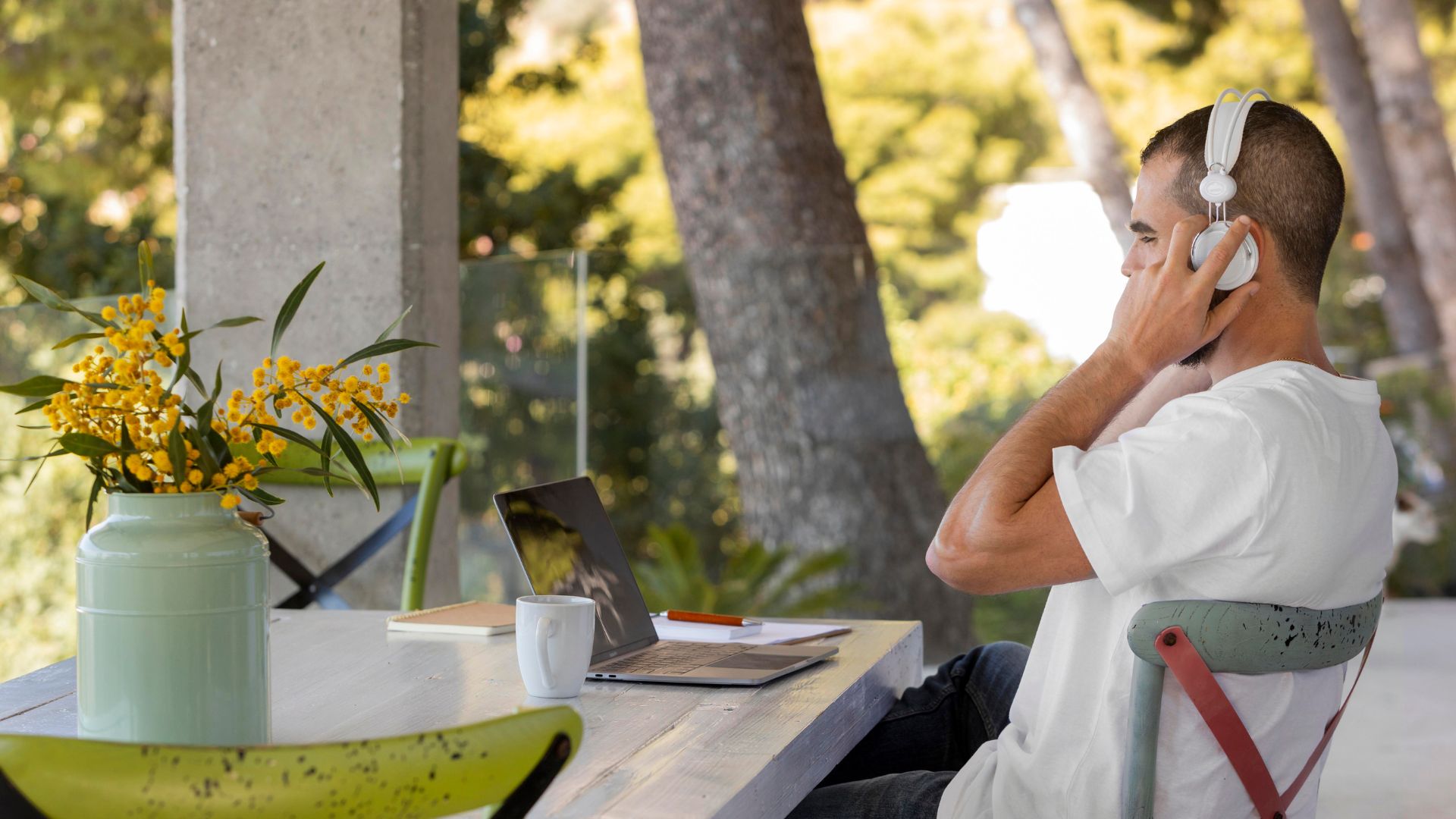
A private garden or terrace offers something a small balcony never can. A real pause. A few minutes outdoors between calls. Fresh air without leaving home. Even a short walk under trees can reset focus completely.
These moments lower stress and clear mental clutter. Outdoor access turns breaks into recovery, not distraction. That balance keeps workdays sustainable and stops burnout from creeping in quietly.
Technology and Infrastructure Without Compromise
High-speed internet. Backup power. Dedicated wiring. Smart systems. Villas offer space to integrate all of it cleanly. Routers don’t clutter living areas. Equipment has a place. Systems stay accessible but out of sight.
Multiple people working from home also becomes manageable. Separate rooms. Independent setups. No bandwidth arguments. This level of infrastructure support is hard to achieve in compact or shared property types, even with the best interior design services involved.
Work-Life Balance That Actually Feels Real
Villas create natural boundaries. Work happens in its space. Life unfolds elsewhere. Stress levels drop. Evenings feel like evenings again, not extended office hours. Over time, this separation protects mental health in ways smaller homes struggle to match.
This balance isn’t about indulgence. It’s about sustainability. Homes that support work without swallowing life completely age better emotionally, not just physically.
When Design Supports Long-Term Living
Many villa owners invest in interior design services to fine-tune their spaces, improving acoustics, lighting, and layout without overcomplicating things. Thoughtful design choices reduce the need for constant adjustments and future home renovation decisions.
When homes are planned around real routines, not short-term fixes, work feels lighter. Living feels fuller. And the home supports both without asking for sacrifice.
Conclusion
Work-from-home is no longer a temporary arrangement. It’s a lifestyle that continues to shape how homes are used every day. And lifestyles need spaces that can grow, adapt, and support changing routines. Villas naturally offer the space, privacy, flexibility, and balance that other property types often struggle to provide, even after extensive home renovation efforts.
They don’t just make work easier or more efficient. They improve the quality of life around work. Days feel calmer. Boundaries feel clearer. In the long run, homes that support focus without sacrificing comfort are the ones that truly stand the test of time.

Recent Posts

Independent House vs Villa: What Should You Know?

Villa Rental vs Villa Ownership: Which Option Fits Your Lifestyle?

Villa Financing Options: How to Plan Your Purchase Smartly
