


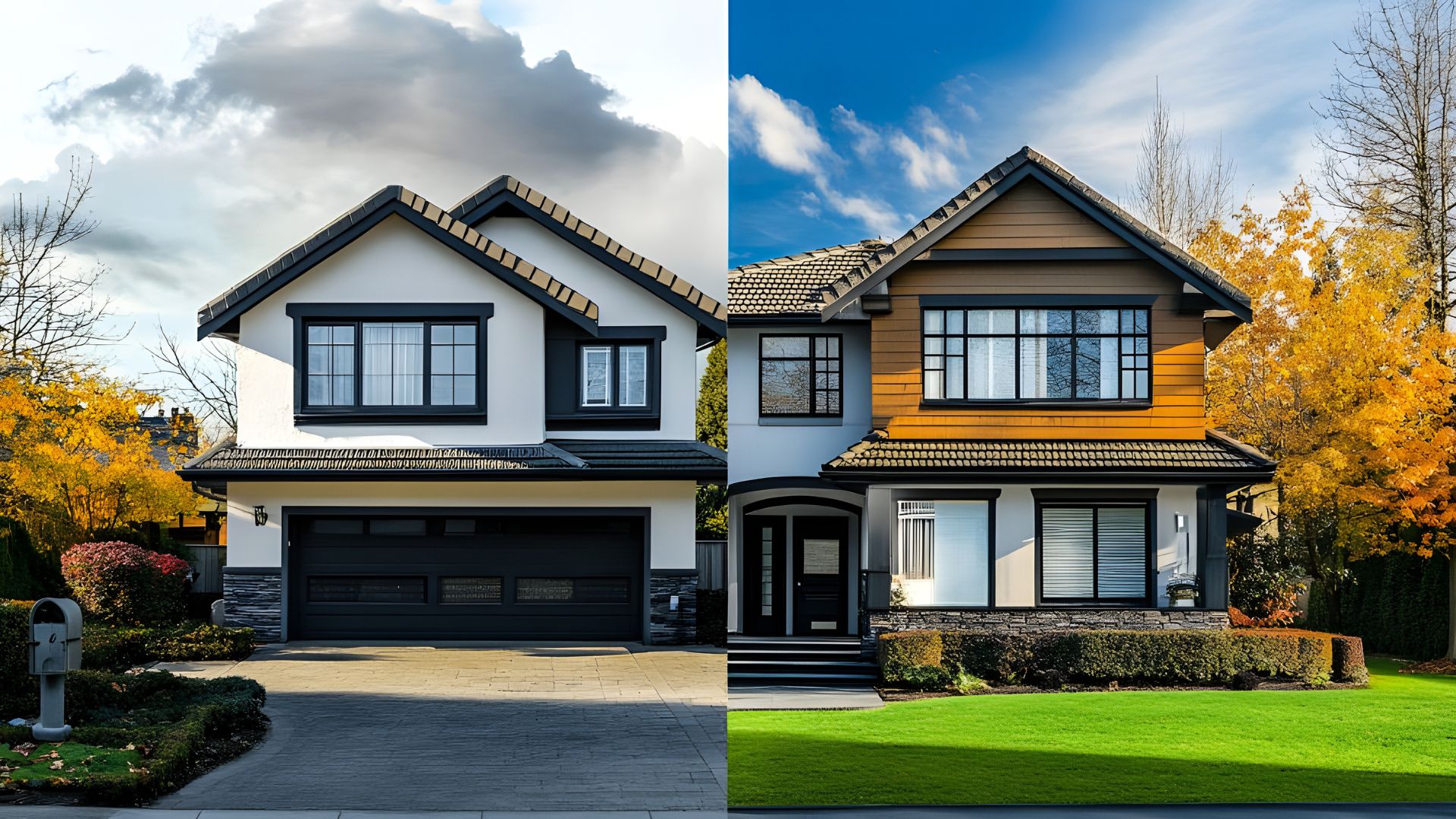
Independent House vs Villa: What Should You Know?
Buying a home is exciting. Also, a little overwhelming. And when conversations shift toward independent house vs villa, the confusion often increases because both options appear similar at first glance. Standalone living, privacy, and more space are common features, but the differences go deeper. An independent house is a single residential property built on its own plot, usually giving full ownership of both land and structure, with flexibility in design and customization. A villa, while also independent structurally, is typically part of a gated community planned by developers, offering shared amenities, organized infrastructure, and a uniform neighborhood environment. The real distinction lies in lifestyle, management, and long-term expectations rather than just physical structure.
This blog explores the key differences, lifestyle factors, and practical considerations between these two housing options.
Ownership and Legal Clarity
Legal aspects might not feel exciting, but they can make or break a real estate decision. Skipping this step often leads to unnecessary stress later.
Independent houses typically involve direct ownership of land. That sounds simple, yet documentation must be checked carefully. Title deeds, local approvals, zoning regulations, and building permissions matter more than fancy interiors. Older properties, especially, may require deeper verification.
Villa projects often come from established developers who handle approvals before launching the project. Layout approvals, infrastructure planning, and community facilities are usually pre-structured. Still, buyers should verify essential documents such as:
- Clear land title and ownership records
- Approved building plans
- Completion or occupancy certification
- Maintenance agreements for shared areas
Legal clarity is not just paperwork. It protects future resale value and peace of mind.
Lifestyle and Community Experience
A house isn’t only about square footage. It shapes daily routines, social life, and even weekend habits.
Independent houses offer freedom. Absolute freedom, in many cases. Want to repaint the exterior bright blue? Build a terrace garden? Extend the kitchen? As long as local regulations allow it, changes can be made without community approval. Privacy tends to be higher because shared spaces are minimal.
Villas, however, bring a different energy. Living inside a gated community introduces a structured lifestyle. Morning walks on maintained pathways, kids playing safely within enclosed areas, neighbors greeting each other at the clubhouse. There’s a built-in sense of community that some people love instantly.
Typical villa community features include:
- Security systems with controlled access
- Landscaped gardens and walking zones
- Clubhouses or recreational spaces
- Organized waste management and maintenance
Of course, community living also means guidelines. Exterior modifications may require approval, and certain rules help maintain uniformity. For some, that feels secure. For others, slightly restrictive.
Cost Considerations and Long-Term Expenses
The purchase price is only part of the story. Real estate decisions live and breathe through long-term expenses.
Independent houses can sometimes have lower initial costs depending on location and construction quality. However, maintenance falls entirely on the owner. Repairs, painting, plumbing issues, landscaping, everything becomes an individual responsibility. That flexibility can feel empowering, but also demanding.
Villas usually carry a higher upfront cost because infrastructure and amenities are built into the project. Monthly maintenance fees are common. These fees support shared facilities, security staff, and overall upkeep. Some buyers appreciate predictable costs instead of sudden repair expenses.
Budget planning becomes a question of preference. Fixed monthly contributions with shared responsibility, or full control over when and how money is spent on maintenance?
Customization and Design Flexibility
Personalization matters more than most people expect. After all, a home reflects personality, routines, and long-term dreams.
Independent houses allow significant design freedom. Renovations, expansions, or structural modifications are generally easier since there are fewer community restrictions. Want an open courtyard, a rooftop lounge, or a home office extension? That freedom can be incredibly appealing.
Villas typically follow standardized designs created by architects during project planning. While some developers allow minor customization during construction, major structural changes are usually restricted. This maintains visual consistency across the community.
In the middle of comparing independent house vs villa options, customization often becomes the deciding factor. Some buyers value creative control more than amenities. Others prefer professionally designed layouts that require minimal decision-making.
Investment Value and Resale Potential
Independent houses often benefit from land appreciation. Over time, land tends to increase in value, especially in developing urban areas. Even if the building ages, the underlying plot can maintain strong resale potential.
Villas attract buyers seeking convenience and community living. Well-maintained gated projects with good infrastructure and security can command premium prices. Developer reputation and project maintenance play significant roles here.
Resale success depends heavily on location, connectivity, and market demand. A villa in a prime gated community may outperform an independent house in a less organized neighborhood. On the flip side, a well-located independent property with clear titles can appreciate significantly due to land value.
Long-term thinking helps avoid regret. What future buyers might want is worth considering now.
Which One Makes More Sense for You?
There’s rarely a universally correct answer. Preferences differ. Priorities shift. Lifestyle needs evolve.
Independent houses appeal to those who value autonomy, privacy, and design flexibility. People who enjoy managing their own property often find satisfaction here.
Villas suit buyers looking for convenience, organized infrastructure, and a community-oriented environment. Families, especially those prioritizing security and shared amenities, often lean toward this option.
And yes, emotional factors play a role too. Some people dream of a standalone home with no shared rules. Others enjoy the vibrancy of a planned neighborhood with facilities just steps away.
This blog explores the key differences, practical considerations, and lifestyle impacts to help make a clearer decision.
Conclusion
Choosing between an independent house vs villa options isn’t just about comparing features. It’s about understanding how daily life will feel inside that space. Independence versus structure. Customization versus convenience. Privacy versus community.
Both options offer strong advantages depending on priorities. Independent houses provide ownership freedom and potential land appreciation. Villas offer organized living, shared amenities, and predictable maintenance systems.
In the end, independent house vs villa decisions should align with long-term lifestyle goals, financial planning, and personal comfort. Real estate isn’t just an investment on paper. It becomes the background of everyday life. Take time, ask the right questions, and choose the space that fits not only current needs but also future aspirations.

Recent Posts

How Safe Is It to Invest in Villas in Bangalore Right Now?

What Are the Benefits of Buying a Villa Over an Apartment in Bangalore?

How Much Does It Cost to Buy a 4BHK Villa in Bangalore?
