


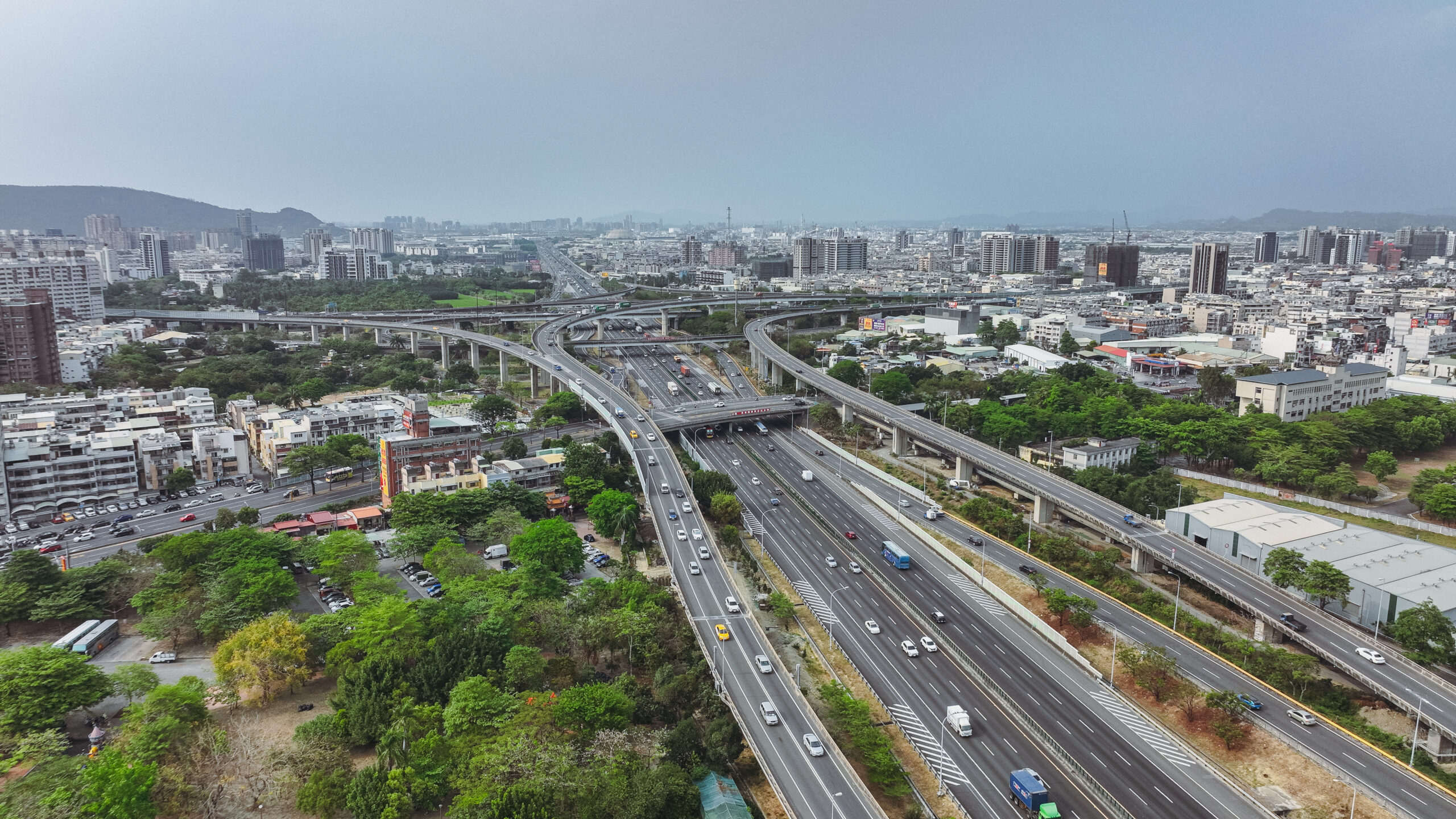
Is Investment in Sarjapur Road Worth It? A 2025 Real Estate Analysis
If you’re asking whether Investment in Sarjapur Road makes sense in 2025, you’re not alone — this stretch of Bangalore keeps surfacing in investor conversations. Over the last few years Sarjapur Road transformed from a quiet peri-urban lane into a major residential corridor anchored by IT employment hubs, new supply, and several big-ticket infrastructure promises.
Below are the key facts, the opportunities, the risks, and a practical take on whether you should buy, hold, or wait.
Where Prices and Demand Stand
Sarjapur Road’s average per-sqft asking prices sit in the mid-to-high range for East Bangalore — various market trackers put average flat rates around ₹10,000–₹12,000 per sq ft while some micro-markets show wider spreads. These numbers reflect steady appreciation over recent years as demand from tech professionals and new project launches continues.
Why Investors are Excited
Below are the top three reasons why investors are excited to invest in Sarjapur Road in 2025.
1. Connectivity to IT hubs: Sarjapur Road connects easily to Electronic City, Outer Ring Road (ORR) and Whitefield, making it convenient for employees across the eastern IT corridor. That proximity keeps rental demand healthy.
2. Big infrastructure catalysts: Planned and ongoing projects — notably the Peripheral Ring Road (PRR), proposed metro extensions and various ring-road links — promise to shorten commutes and unlock greater value for properties along Sarjapur. These projects are repeatedly cited as the main reasons developers and investors remain bullish.
3. Developer activity & new launches: Large residential and mixed-use launches continue to appear, offering choices from mid-segment apartments to gated communities and occasional villa projects — an indicator that builders expect sustained demand.
Rental Economics and Returns
If your objective is rental income, Sarjapur Road gives competitive rental yield potential compared with many other Bangalore suburbs — yields commonly hover in the city-average range (roughly 3–5%), and certain micro-markets near business clusters can do slightly better. That rental demand is underpinned by young IT professionals who prefer furnished/2–3 BHK options.
The Main Risks You Need To Weigh
But, it is not all returns and benefits. Investors who are investing in Sarjapur must also consider some risks.
- Traffic and last-mile pain: Congestion remains a chronic issue on Sarjapur and feeder roads; until metro and ring-road segments fully materialize, commuting during peak hours can be slow. Resident-led pooling and alternative routing help, but it’s a real daily downside.
- Project timelines aren’t guaranteed: Infrastructure announcements boost sentiment — but execution timelines slip. If you’re banking on near-term price pops from a single announced project, build contingency plans.
- Supply intensity: Heavy new launches can temper appreciation short-term. Evaluate specific micro-locations (closer to ORR/major junctions generally hold better).
How To Evaluate A Specific Opportunity
Following are a few ways to evaluate a good opportunity while investing in Sarjapur.
- Micro-location matters: Proximity to major arterial roads, proposed metro stations or business hubs matters more than “Sarjapur Road” as a single label. A flat near a planned interchange will likely outperform one tucked down a congested feeder lane.
- Compare effective price, not just headline price: Factor in parking, GST (if new), maintenance, and real purchase delivery timelines. Look for projects with transparent RERA compliance and realistic possession windows.
- Assess renter profile: If you plan to rent, target 2–3 BHKs near employment corridors for steady demand; single-bedroom units can be speculative unless you’re close to a campus or business park.
Verdict — Who Should Consider Investing?
- Buy/Hold: Long-term investors (5–10+ years) who can tolerate 1–3 years of infrastructure lag, and those seeking capital appreciation driven by East Bangalore’s IT growth. The location is well-placed within the broader Bengaluru real estate story.
- Cautious Buyers: If your time horizon is under 3 years or you rely on immediate cashflow from high rental yield, compare Sarjapur against micro-markets like Whitefield or ORR that may offer steadier short-term yields.
- Speculators: Betting purely on an impending metro or PRR announcement is high-risk unless you have deep local insight and exit plans.
Conclusion
If you focus on fundamentals — solid micro-location, realistic pricing, a dependable developer and an investment horizon beyond short-term market noise — Investment in Sarjapur Road can pay off as part of a diversified Bangalore property portfolio. The area’s growth is supported by ongoing infrastructure development and persistent IT demand, but patience is essential: expect bumps from congestion and occasional project delays. In short, Sarjapur Road rewards the informed long-term investor, not the impatient speculator.

Recent Posts

Should You Buy a Villa for Living or Investment?

Common Legal Mistakes Villa Buyers Make

What Influences the Price of a Villa?
