


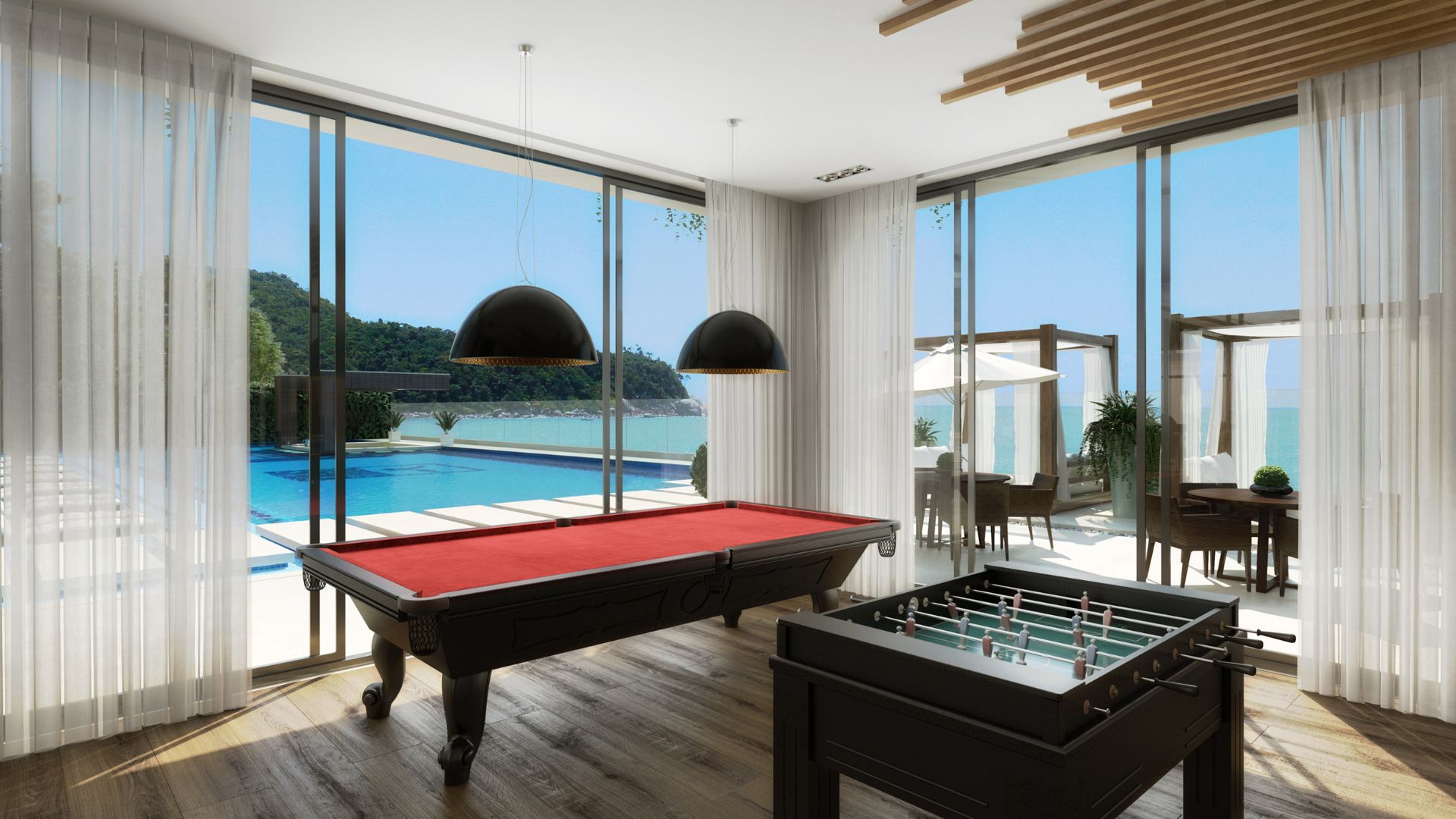
The Rise of Purpose-Built Hobby Rooms in Villas: Designing for Passion, Not Just Function
Homes have always mirrored the way life is lived. Once upon a time, it was simple. Bedrooms for sleeping. Kitchens for cooking. Living rooms for sitting together at the end of the day. Everything had a label. Everything had a limit. But villa living has changed that rhythm completely. Today’s homes, especially those shaped around luxury home interiors, are no longer just places to function. They’ve become personal landscapes where interests, creativity, and downtime finally get the space they deserve.
And that’s exactly what this blog is about. How purpose-built hobby rooms are reshaping villa living, and why designing for passion has become just as important as designing for comfort.
Why Hobby Rooms Are No Longer a Luxury Add-On
Hobbies aren’t occasional anymore. They’re daily rituals. A quick workout before breakfast. An hour of music after work. A few quiet pages before sleep. And squeezing these moments into corners of the house rarely works for long. The guitar stays untouched. The yoga mat gathers dust. Sound familiar?
Villas, with their generous layouts, naturally support this shift. Creating a dedicated space for what brings joy isn’t about excess. It’s about acknowledging how life is actually lived. A hobby room today is less about luxury and more about balance.
The Psychology Behind Dedicated Hobby Spaces
When hobbies share space with everyday living, they’re the first to be sacrificed. A painting kit was shoved into a cupboard. A treadmill doubling as a clothes hanger. Dedicated rooms remove that resistance. They invite participation instead of procrastination.
There’s a quiet mental shift, too. Walking into a hobby room signals a pause from routine. Focus sharpens. Stress loosens its grip. Time feels chosen, not borrowed. In villas, this psychological zoning has become just as valuable as physical planning in thoughtful home interior design.
Popular Hobby Rooms Taking Shape in Modern Villas
No two hobby rooms look the same. They’re deeply personal by design.
Some of the most common spaces being built today include:
- Music rooms with sound control for instruments or recording
- Home gyms designed for daily movement, not occasional workouts
- Art and craft studios filled with natural light and organised storage
- Reading lounges and libraries built for quiet escape
- Gaming and media rooms designed for total immersion
- Test kitchens or cooking studios for culinary exploration
What matters isn’t the hobby itself. It’s how intentionally the space supports it. When a room is designed well, it feels welcoming even on low-energy days. Especially in homes inspired by luxury home interiors, that sense of invitation is everything.
Designing Hobby Rooms That Don’t Turn Into Storage
The most-used hobby rooms are easy to access and easy to enjoy. Tucked-away rooms with poor lighting or ventilation slowly lose their purpose. Comfort plays a huge role, too. Proper acoustics. Ergonomic layouts. Lighting that works with the activity, not against it.
Flexibility matters just as much. Interests change. A music room today could become a meditation space tomorrow. Smart home interior design anticipates that. Neutral finishes, adaptable storage, and movable layouts allow the room to evolve without expensive changes.
Why Placement Often Matters More Than Size
Quiet hobbies benefit from distance from high-traffic areas. Creative rooms thrive near natural light. Active hobbies work better close to gardens or open spaces. Placement shapes how often a room gets used.
The goal is simple. The hobby room should feel like a natural extension of the home, not an isolated corner. When it fits naturally into daily movement patterns, it becomes part of life instead of an occasional destination.
How Hobby Rooms Change the Way Villas Feel
Hobby rooms add personality to villas. Guests notice them instantly. Conversations start there. Children grow up seeing interests prioritised, not postponed. These rooms often become emotional anchors within the house.
Over time, they soften routines. They create pauses. They slow life down in the best way. Within thoughtfully planned luxury home interiors, these spaces give a home its soul.
Long-Term Value That Goes Beyond Enjoyment
From a future perspective, hobby rooms offer versatility. What begins as a music studio could later become a wellness room, a private study, or a quiet lounge. Clear zoning and intentional layouts make these spaces adaptable, not limiting.
More importantly, they create a sense of completeness. Villas designed with passion in mind feel balanced and human. They respond not just to how people live today, but to who they may become tomorrow.
Conclusion
The rise of purpose-built hobby rooms reflects a deeper evolution in how homes are designed and experienced. Villas are no longer judged only by layout or aesthetics. They’re valued for how well they support personal expression, mental well-being, and everyday joy. In homes shaped around luxury home interiors, designing for passion isn’t an extra. It’s essential.
When space is given to creativity and interests, life inside the home feels fuller and more intentional. And in the end, a house that supports passion isn’t just well-designed. It’s genuinely lived in.

Recent Posts

Independent House vs Villa: What Should You Know?

Villa Rental vs Villa Ownership: Which Option Fits Your Lifestyle?

Villa Financing Options: How to Plan Your Purchase Smartly
